


Published by Wiley Mission | A Life Plan Community in Marlton, NJ
When an older adult is discharged from the hospital, families often feel a sense of relief. The emergency has passed. Treatment is complete. It may seem like the hardest part is over.
In reality, this moment marks the beginning of one of the most important—and misunderstood—phases of recovery. Subacute rehabilitation exists precisely because many seniors leave the hospital medically stable, yet not physically or functionally ready to return home safely.
Understanding what subacute rehabilitation is, and who it is truly for, can help families avoid preventable setbacks and support a safer, more successful recovery.
What Subacute Rehabilitation Really Means
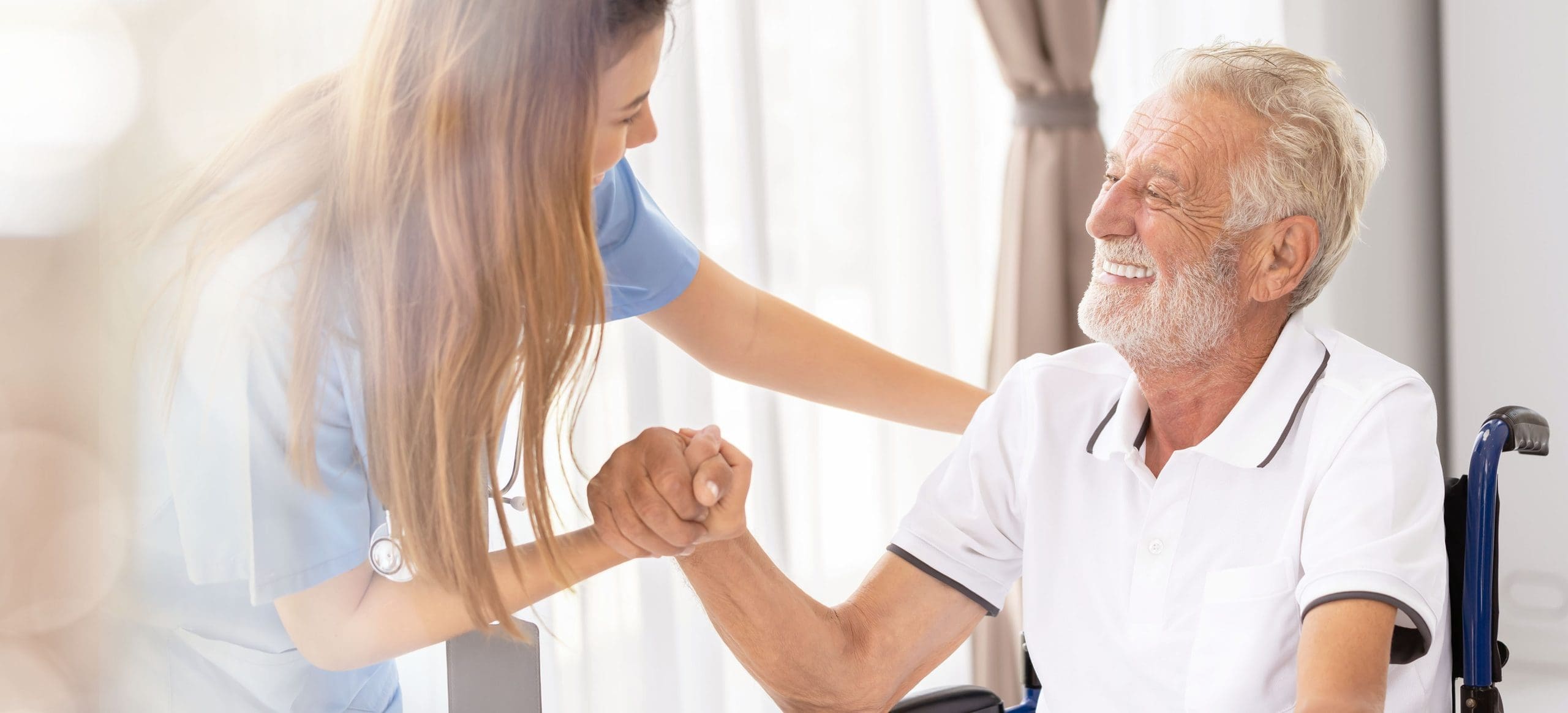
Subacute rehabilitation is a short-term phase of care designed to help individuals recover strength, mobility, and independence after a hospital stay. It sits between acute hospital care and a return home, providing continued medical oversight while shifting the focus from treatment to recovery.
Unlike hospital care, which prioritizes diagnosis and stabilization, subacute rehabilitation concentrates on rebuilding function. Therapy is integrated into daily routines, nursing support remains available, and physicians continue to oversee care. The goal is not simply improvement, but safe, sustainable independence.
Why Hospital Discharge Doesn’t Mean Full Recovery
Hospitals are not designed for long-term recovery. Once a patient’s condition is stabilized and no longer requires acute intervention, discharge often follows quickly.
For seniors, even brief hospitalizations can result in noticeable physical decline. Time spent in bed leads to muscle weakness. Balance and endurance decrease. Fatigue sets in faster than expected. Tasks that once felt routine—walking to the bathroom, standing from a chair, preparing a meal—can suddenly feel difficult or unsafe.
Subacute rehabilitation exists because this gap between medical stability and functional readiness is both real and risky.
Who Subacute Rehabilitation Is Actually For?
Subacute rehabilitation is not about age alone. It is about readiness.
It is most appropriate for seniors who are medically stable but still need support to regain strength, mobility, or confidence before returning home. This often includes individuals recovering from surgery, illness, infection, cardiac or respiratory events, neurological changes, or general deconditioning after hospitalization.
If a person cannot safely walk, transfer, manage daily activities, or feels unsteady or exhausted with minimal exertion, subacute rehabilitation may be the safest next step. It provides time, structure, and professional oversight to rebuild function without unnecessary risk.
Why Families Often Misunderstand This Phase of Care
Many families hear terms like “skilled nursing” and “rehabilitation” used interchangeably, which can cause confusion. Subacute rehabilitation, however, is distinct in its purpose.
This phase of care is goal-driven and recovery-focused. Therapy is central, progress is measured, and the expectation is improvement. It is not long-term care, and it is not simply extended medical monitoring. It is an active recovery process designed to prepare individuals for the next phase of independence.
When this distinction is unclear, families may unintentionally rush decisions or underestimate the importance of structured recovery.
The Risks of Skipping Subacute Rehabilitation
One of the most common reasons seniors are rehospitalized is returning home before they are physically ready. Without adequate recovery support, small challenges can quickly escalate.
A moment of unsteadiness can lead to a fall. Fatigue can limit movement and slow healing. Confusion about medications can create complications. Fear of reinjury can reduce activity, leading to further weakness.
Subacute rehabilitation reduces these risks by allowing recovery to continue in a controlled environment where issues can be identified early and addressed before they become emergencies.
What Recovery Looks Like in Subacute Rehabilitation
Recovery during subacute rehabilitation is structured, but never one-size-fits-all. Therapy is tailored to individual ability and progresses gradually. Strength, balance, and endurance are rebuilt in ways that support real-life function, not just exercise goals.
Equally important, recovery is monitored closely. Care plans are adjusted based on how a person responds, not on arbitrary timelines. This thoughtful pacing helps prevent setbacks while building confidence and momentum.
The focus is not on rushing home, but on making home safe and sustainable.
Why Coordination and Oversight Matter
Successful recovery depends on coordination. Therapy, nursing care, and physician oversight must work together, communicating consistently and responding to changes as they occur.
At Wiley Mission, recovery is supported through interdisciplinary collaboration and ongoing medical involvement. This coordinated approach helps ensure that progress is steady, concerns are addressed early, and recovery remains on track.
When care teams work together, seniors benefit from stability and continuity during a vulnerable time.
How Families Can Recognize When Subacute Rehab Is Needed
Families often sense when something is not quite right. Signs that subacute rehabilitation may be appropriate include difficulty walking safely, rapid fatigue, fear of falling, confusion about daily routines or medications, or a lack of confidence about returning home.
Asking questions and understanding available options early can prevent unnecessary complications later. Choosing the right level of care at the right time is one of the most important decisions families can make during recovery.
A Critical Bridge Toward Independence
Subacute rehabilitation is not about delaying recovery. It is about protecting it.
By providing the time, structure, and support seniors need after hospitalization, this phase of care helps rebuild strength, confidence, and independence—reducing the risk of setbacks and setting the stage for long-term wellness.
For families navigating post-hospital decisions, understanding subacute rehabilitation can make all the difference between a smooth recovery and an avoidable return to the hospital.
To learn more about Wiley Mission Call us today at: (856) 983-0411 or fill out our contact form.
Related Reading